
Asbestos Abatement Process Explained: What Actually Happens

Inspector found asbestos in your house. Great.
Now you're probably googling "can I remove asbestos myself" and looking at the prices professional abatement companies are quoting. I know exactly what you're thinking - "That's way too expensive, I'll just do it myself."
Stop. Right there.
Guy down the street from me tried that last summer. Ripped out asbestos ceiling tiles in his garage over a weekend. By Monday, his whole house was contaminated. State environmental agency got involved. Final bill? $47,000 in cleanup plus fines.
Professional asbestos removal would've been $5,800.
What Asbestos Abatement Actually Is
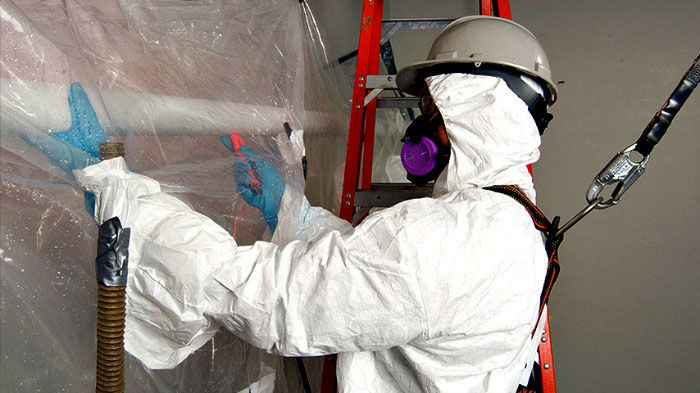
Abatement doesn't always mean ripping stuff out. There are three ways to handle it:
Removal - Take it out completely Encapsulation - Seal it so fibers can't escape Enclosure - Build barriers around it
Which one depends on where it is, what shape it's in, and what you're planning.
Buddy of mine had asbestos around his basement pipes. Instead of removing it, we sealed it with special coating. Cost $1,200 vs $6,500 for removal. Does the same job.
Why DIY Will Destroy Your Life

I'm all for DIY. But not this.
What happens when you mess with asbestos:
Microscopic fibers go airborne
Spread through your entire house via HVAC
Settle on every surface
Your family breathes them for weeks
Twenty years later, lung cancer shows up
Legal stuff:
Most states require licensed contractors
Insurance won't cover your DIY contamination
You're liable if neighbors get exposed
Fines start at $25,000 and go up from there
Equipment you'd need:
Hazmat suits with respirators
HEPA filtration systems
Negative pressure units
Sealed disposal containers
Decontamination setup
By the time you rent all that, you've spent what the pros would've charged. And you still have no clue what you're doing.
The Actual Asbestos Abatement Process

Step 1: Planning and Documentation
Licensed inspector maps where all the asbestos is and what condition it's in.
Gets documented:
Type of materials containing asbestos
Where everything's located
Current condition
Best way to remove it
How long it'll take
This is different from the testing inspection. This one's about planning the work.
Step 2: Sealing Off the Area
Crew shows up and your house looks like a biohazard movie.
Setup includes:
6-mil plastic sheeting everywhere
All vents, windows, doors sealed
Negative air pressure system
Decontamination chamber
Warning signs
Negative air pressure is key - air flows INTO the work area but not OUT. Keeps contamination contained.
Step 3: Suiting Up
Workers gear up like they're entering Chernobyl.
Required gear:
Full-body disposable suits
HEPA respirators (not those wimpy dust masks)
Rubber boots and gloves
Head coverings
Eye protection
All this gets thrown away after. Nothing leaves except through decontamination.
Step 4: Wetting and Removing
Everything gets soaked before removal. Water keeps fibers from flying around.
How it works:
Friable stuff (crumbly): Wet it down, remove carefully
Non-friable stuff (solid): Can remove in bigger pieces
Adhesives: Scrape while keeping wet
Goes straight into sealed bags. No piles, no mess left sitting around.
Step 5: Bagging and Disposal
All waste gets double-bagged in special 6-mil bags, sealed, labeled.
Disposal rules:
Only licensed facilities take asbestos
Everything tracked with manifests
Can't dump it in regular trash
Each load needs paperwork
Improper disposal gets traced back to you when discovered.
Step 6: HEPA Cleaning
After removal, everything gets cleaned with HEPA vacuums. Multiple times.
Process:
HEPA vacuum everything
Wet-wipe all surfaces
HEPA vacuum again
Remove containment carefully
Final cleaning
Regular shop vacs don't work. HEPA is required for microscopic fibers.
Step 7: Visual Check
Before barriers come down, someone checks that no visible asbestos remains.
Looking for:
No visible debris
All materials gone
Surfaces clean
Containment intact
Step 8: Air Testing
Independent company takes air samples to measure fiber counts.
Testing:
Air samples from work area
Samples from adjacent areas
Lab analysis
Compare to EPA limits
Must be at or below 0.01 fibers per cubic centimeter to pass.
Step 9: Clearance
Pass the air test, get your certificate. Fail it, clean again and retest.
Documentation:
Air test results
Visual inspection report
Disposal manifests
Photos
Certificate
Keep this forever. You'll need it for selling the house later.
Step 10: Putting It Back Together
Once cleared, area needs rebuilding. Usually separate from abatement.
Might need:
New drywall
Paint
Flooring
Trim work
Some abatement companies do this, some don't.
Process Flow Chart
Pre-Inspection → Seal Work Area → Suit Up →
Wet & Remove → Double-Bag Waste → HEPA Clean →
Visual Check → Air Test →
(Pass → Clearance) or (Fail → Re-clean → Re-test) →
Restoration
Timeline Reality
Small job (one room): 3-5 days total
Medium job (multiple rooms): 1-2 weeks
Large job (whole house): 2-4 weeks
Add extra if air tests fail.
What It Costs
Cost factors:
Square footage
Material types
Access difficulty
Labor hours
Disposal fees
Testing
Ballpark:
Small: $1,500-3,000
Medium: $3,000-8,000
Large: $8,000-25,000+
Usually $15-30 per square foot.
Encapsulation costs 30-50% less but only works if materials are in decent shape.
Can You Stay Home During This?
Small projects: Maybe, if area is isolated and you don't mind the hassle.
Large projects: Get a hotel. Containment can fail and exposure risk isn't worth saving on lodging.
While work's happening:
No access to work areas
Noise from equipment
Chemical smells
Workers in and out constantly
Finding Real Contractors
Must have:
EPA/state licenses
Proper insurance
Certified workers
Clean safety record
Red flags:
Can't show licenses
Way cheaper than everyone else
Offers testing AND abatement (conflict)
Skips air testing
Suggests shortcuts
Ask them:
How long you been doing this?
Can I see licenses and insurance?
Who does your air testing?
What's included in the price?
How you handle disposal?
After It's Done
Your certificate:
Keep forever
Show future buyers
Legal protection
Proves proper handling
Property value: Professional abatement usually doesn't hurt value. Sometimes helps because there's documentation.
Disclosure: Most states require telling buyers about previous asbestos, even if removed. Check local laws.
When You Don't Need Abatement
Not all asbestos needs immediate removal.
Encapsulation works when:
Materials intact
No renovation planned
Not high-traffic area
Won't be disturbed
Monitoring works when:
Everything's in good shape
Not in living areas
Can inspect regularly
No immediate risk
[Link to: "Asbestos Testing Services"]
Bottom Line on Asbestos Abatement
Professional asbestos removal is expensive and disruptive. But it's necessary when asbestos is damaged, falling apart, or in the way.
Good news: Done right, it's permanent. Problem solved.
Bad news: No cheap way to do it properly. Cutting corners makes things worse and costs more later.
Don't Be Stupid About This
That guy who tried DIY? Still dealing with it. Family moved out for three weeks during cleanup. Insurance covered nothing because he caused the contamination.
Total damage: Over $50,000 including cleanup, fines, hotel, lost wages.
Ready to schedule professional abatement? Don't wait for damaged asbestos to become an emergency. Handle it right the first time.
Your lungs are worth more than trying to save a few bucks on the most important safety work your house might ever need.
People Ask:
How long does asbestos abatement take? Small jobs 3-5 days, medium 1-2 weeks, large whole-house 2-4 weeks. Includes setup, removal, cleaning, testing, and final clearance.
Can I live at home during asbestos abatement? Small contained projects maybe. Large projects no - get a hotel. Containment can fail and daily disruption makes staying home miserable anyway.
What if air tests fail after abatement? Crew re-cleans everything and retests until it passes EPA standards. Usually included in the contract at no extra charge.
Does insurance cover asbestos abatement? Usually no, unless asbestos damage came from a covered event like fire or storm. Regular removal for renovations typically isn't covered.
How do I know an asbestos contractor is legit? Check EPA/state licenses, insurance, worker certifications, and references. Red flags: super low bids, no air testing mentioned, or doing both testing and removal.


Comments